Take the time to explore an argument. Follow the Scriptures from beginning to end.
Featured book · The prophets
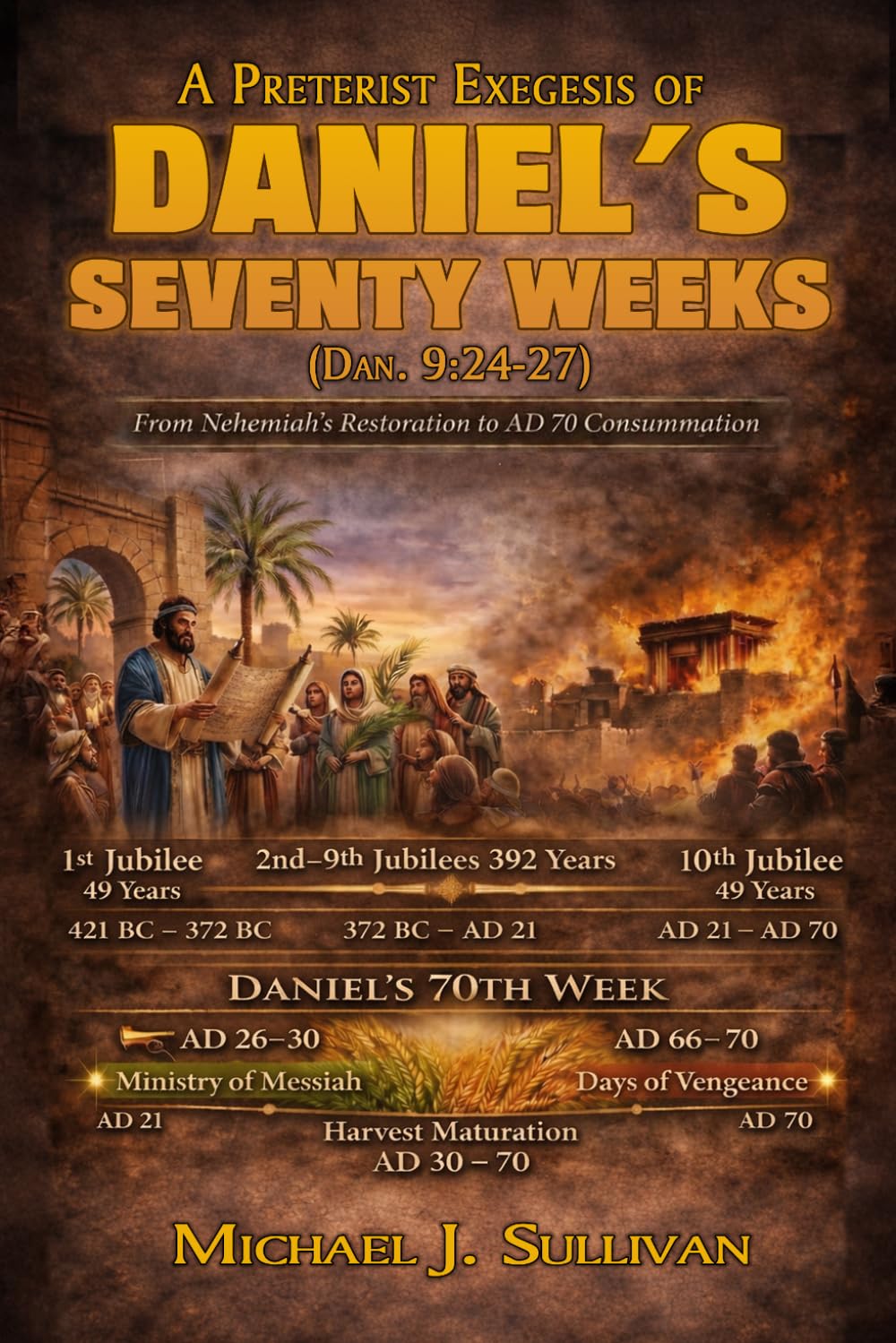
A Preterist Exegesis of Daniel's Seventy Weeks
2026 · 303 pages
Daniel's prophecy of the seventy sevens (Dan. 9:24-27) has long been debated, often projected into a distant future. This study offers a different approach, grounded in historical context and a unified chronological framework: ten Jubilee cycles beginning with Nehemiah's restoration and climaxing in the first century. The final Jubilee (AD 21-70) marks the decisive period in which the Messiah appears, accomplishes redemption, and oversees the transition to the new covenant age.
Explore 36 books on prophecy, covenant, resurrection, and fulfilled hope.
36 books
Listed from newest to earliest.
The prophets
A Preterist Exegesis of Daniel's Seventy Weeks
2026 · 303 pages
Daniel's prophecy of the seventy sevens (Dan. 9:24-27) has long been debated, often projected into a distant future. This study offers a different approach, grounded in historical context and a unified chronological framework: ten Jubilee cycles beginning with Nehemiah's restoration and climaxing in the first century. The final Jubilee (AD 21-70) marks the decisive period in which the Messiah appears, accomplishes redemption, and oversees the transition to the new covenant age.
Is God's plan for Israel a story of replacement, or glorious fulfillment? Don K. Preston dismantles the myths of Dispensationalism, revealing how the church isn't a divine afterthought but the eternal culmination of Old Covenant promises. Drawing on Romans 11 and Psalm 2, he exposes the contradictions in postponed-kingdom theories and celebrates the triumph of Fulfilled Theology.
Most Christians believe God's promise to establish the New Covenant (Jeremiah 31) has been fulfilled in the Gospel of Christ. It is a shock to learn that the Dispensational world denies this, insisting the Jeremiah covenant will not be established until the Second Coming, at the end of the Christian age. Don K. Preston shows with careful logic and exegesis that the Gospel is now, and will always be, the one covenant wherein salvation is found.
Is the Battle of Armageddon just around the corner, as so-called Bible experts have been saying for years? There is positive, definitive proof that the Battle of Armageddon took place in the first century. Don K. Preston brings his logical, analytical style to bear, giving the reader stunning, convincing proof that Armageddon is a blast from the past.
A debate on the time of the completion of Christ's redemptive work and the passing of the Law of Moses: was Torah removed at the cross, or did it remain valid until fulfilled in AD 70? An important debate with implications crossing all denominational boundaries, since every futurist eschatology teaches the Law was abrogated at the cross yet still appeals to Torah for its end-times doctrine.
Israel's last three feast days were the eschatological feasts, foreshadowing judgment, the parousia, the resurrection, and new creation. The final feast day, Succot, foreshadowed the time of final salvation rest: the resurrection. The critical significance of Israel's feast days for a proper understanding of Biblical eschatology is one of the most overlooked doctrines in all of Biblical studies.
These Are the Days When All Things Must Be Fulfilled
2023 · 409 pages
In Luke 21:22, amid his discussion of the coming desolation of Jerusalem, Jesus said: 'These be the days of Vengeance in which all things that are written must be fulfilled.' Was Jesus actually saying that all prophecy would be fulfilled by the time of Jerusalem's destruction? Don K. Preston dives deep into Jesus' words, showing with prodigious evidence that all Bible prophecies of the end times were fulfilled in the AD 70 destruction of Jerusalem and the Temple.
The Jerusalem temple was the focal point of the seven feast days of the Lord under the Law of Moses. All agree the first four feast days foreshadowed Christ's ministry, passion, and resurrection, fulfilled while the temple still stood. If so, why would the same temple not have to be standing for the fulfillment of the final three feasts, which foreshadowed the kingdom, judgment, the Day of the Lord, resurrection, and the new creation?
In Daniel 9:24, God said seventy weeks were determined to 'seal up vision and prophecy' - meaning seventy weeks were assigned for the fulfillment of all prophecy. In this fourth edition, Don K. Preston establishes that Daniel 9 concerns Israel and her promises, not the end of time, and that it posits the end of the seventy weeks at the destruction of Jerusalem in AD 70. Preston also examines and falsifies the popular dispensational doctrine of a 2,000-year gap between the 69th and 70th week.
Why would anyone write a modern book about circumcision, and what does it have to do with eschatology? Don K. Preston connects the question to the doctrines of justification by faith, the Law of Moses, the resurrection, and the Messianic Temple - another look at the critics' claim that 'no marrying or giving in marriage' in the age to come disproves full preterism.
Watching for the Parousia: Were Jesus' Apostles Confused?
2020 · 183 pages
In Matthew 24:3, the disciples asked Jesus when the destruction of Jerusalem would come and what would be the sign of his coming and the end of the age. Every futurist eschatology holds that the disciples were confused to connect that catastrophe with Christ's coming - but what if they weren't? Don K. Preston sets out to show that it was not Jesus' apostles who were confused, but futurist commentators.
One of the most common arguments for a physical resurrection is that Paul said he was a Pharisee, and the Pharisees believed in physical resurrection. But why did the Pharisees want to kill Paul for his doctrine of the resurrection, if they agreed with him? Don K. Preston shows that Paul's doctrine of the resurrection was not, in fact, the same as the Pharisees'.
The eschatological resurrection is posited as the solution to the death that came into the world the day Adam sinned. God said 'in the day that you eat, you shall surely die' - yet Adam did not die physically that day. Don K. Preston argues Adam and Eve died spiritually, losing fellowship with God, and that this is the essence of the Death of Adam that frames the nature of the resurrection.
In his prediction of the impending destruction of the Temple, Jesus said 'This Gospel of the kingdom must be preached into all the world, then comes the end.' Wait - the fall of Jerusalem and that awesome Temple was 'the gospel'? Don K. Preston explores this seldom-considered question and walks the reader through the last days and the importance of that Jerusalem temple.
Marrying and Giving in Marriage... In the New Creation?
2018 · 130 pages
Critics of full preterism appeal to Jesus' words that in the age to come there will be no marrying, noting that preterists are married - so the resurrection and age to come has not come, right? Don K. Preston addresses the argument head on, showing it is based on false assumptions and turns back on the critics themselves. He shows that Postmillennial and Amillennial writers alike agree we are now in 'the age to come.'
So-called 'Prophecy Experts' tell us that 1948 was the Super Sign that the end is near, and that Christ must return 40 years after 1948 - but we all know how that turned out. Don K. Preston examines the Dispensationalist claim and proves that 1948 had nothing to do with the fulfillment of prophecy. A 'must read' book that will change the way you look at Israel, the end times, and Bible prophecy as a whole.
Romans 11:25-27 remains one of Paul's most challenging passages - did he predict a future salvation of ethnic Jews at a still-future Second Coming? Don K. Preston connects the mission of John the Baptizer, as Elijah of Malachi 4, to the salvation of 'all Israel' in Romans 11, a connection scholars admit but never make. Part of the Torah To Telos series on the passing of the Law of Moses.
The Resurrection of Daniel 12: Future or Fulfilled?
2017 · 415 pages
Daniel 12 has historically been considered definitive proof of a future physical resurrection of human corpses 'out of the dust.' But with the rapid growth of Covenant Eschatology, commentators are increasingly reading it as the corporate resurrection of the 'mortal body' of Old Covenant Israel into the incorruptible body of Christ. Don K. Preston, second in the Torah To Telos series, examines how the traditional view can be maintained in light of this shift.
Dispensationalism insists the calling of the Gentiles into the Body of Christ was never part of God's original plan for Israel, and that calling the church the fulfillment of Israel's promises is 'Replacement Theology.' Is this true? Don K. Preston shows in this well-documented study that Paul repeatedly affirmed his one hope was the same hope of Israel's fathers - a refutation of the charge of Replacement Theology.
The Resurrection of the Just and Unjust: Past or Future?
2017 · 216 pages · Formal debate
In July 2016, Dr. David Hester, professor at Faulkner University, and Dr. Don K. Preston, president of Preterist Research Institute, engaged in a two-night formal public debate on whether the resurrection was fulfilled in AD 70 (Preston) or will occur at the end of time (Hester).
Misplaced Minds: Colossians 3:1-2 and Dispensationalism
2017 · 64 pages
The 1948 'restoration' of Israel to the land was heralded as the Super Sign of the End - but the countdown that restoration required has now been proven false. In this fresh look at Colossians, Don K. Preston shows that chapter 3:1-2 falsifies all emphasis on the land of Israel: 'do not set your minds on the land.'
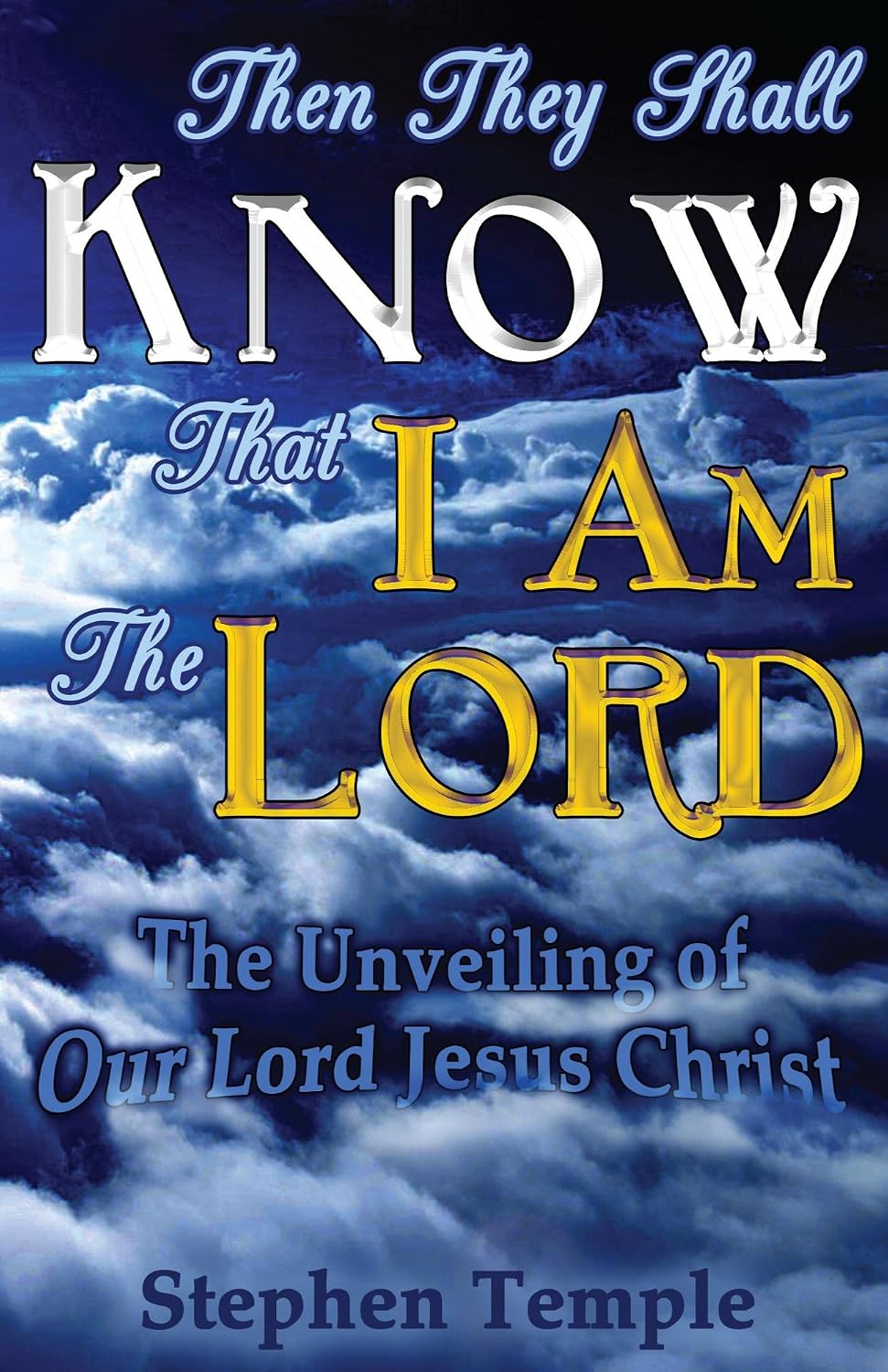
Who is Jesus - just a great teacher, or truly the Son of God, worthy to be honored as the Father is honored? Stephen Temple investigates the New Testament teaching about the purpose of Christ's Second Coming, showing that Christ came, as the Father had come many times before, to reveal that he is King of kings and Lord of lords.
primary author Stephen Temple, with Don K. Preston
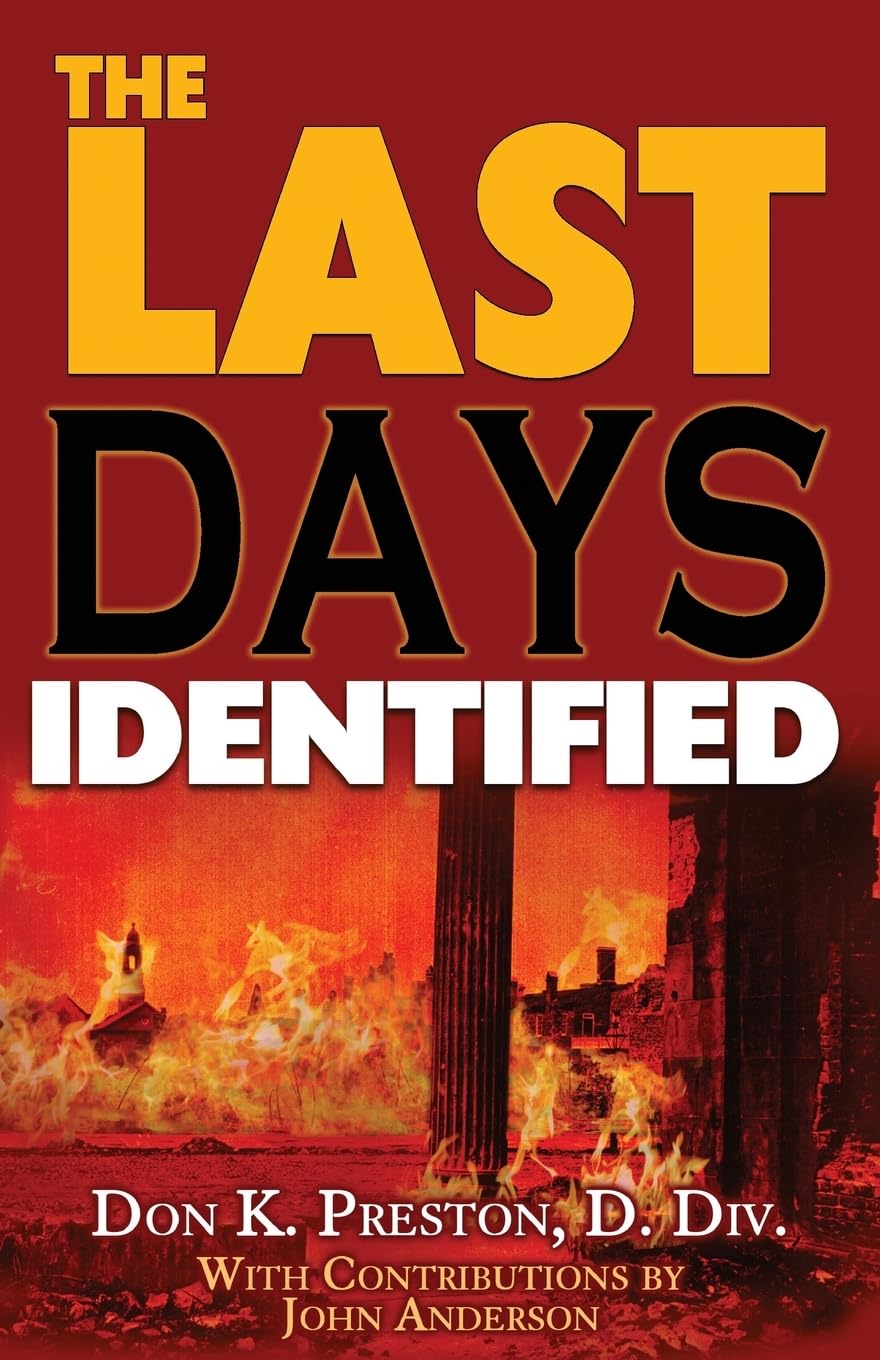
Are we in the last days before the 'end of time'? All futurist views of eschatology say Christ comes at the end of the current Christian age - but the Bible identifies 'the last days' not as the end of time, but as the last generation of the Old Covenant Age of Israel, which came to its cataclysmic end in AD 70. This book has changed the lives of countless believers, dispelling the fear that the end is near.
2 Thessalonians 1 is a favorite of preachers - the dramatic description of the Day of the Lord is effective for the altar call. But Don K. Preston shows with compelling logic and exegesis that Paul was anticipating not an end-of-time coming of Christ, but the AD 70 judgment of Old Covenant Israel for persecuting the saints.
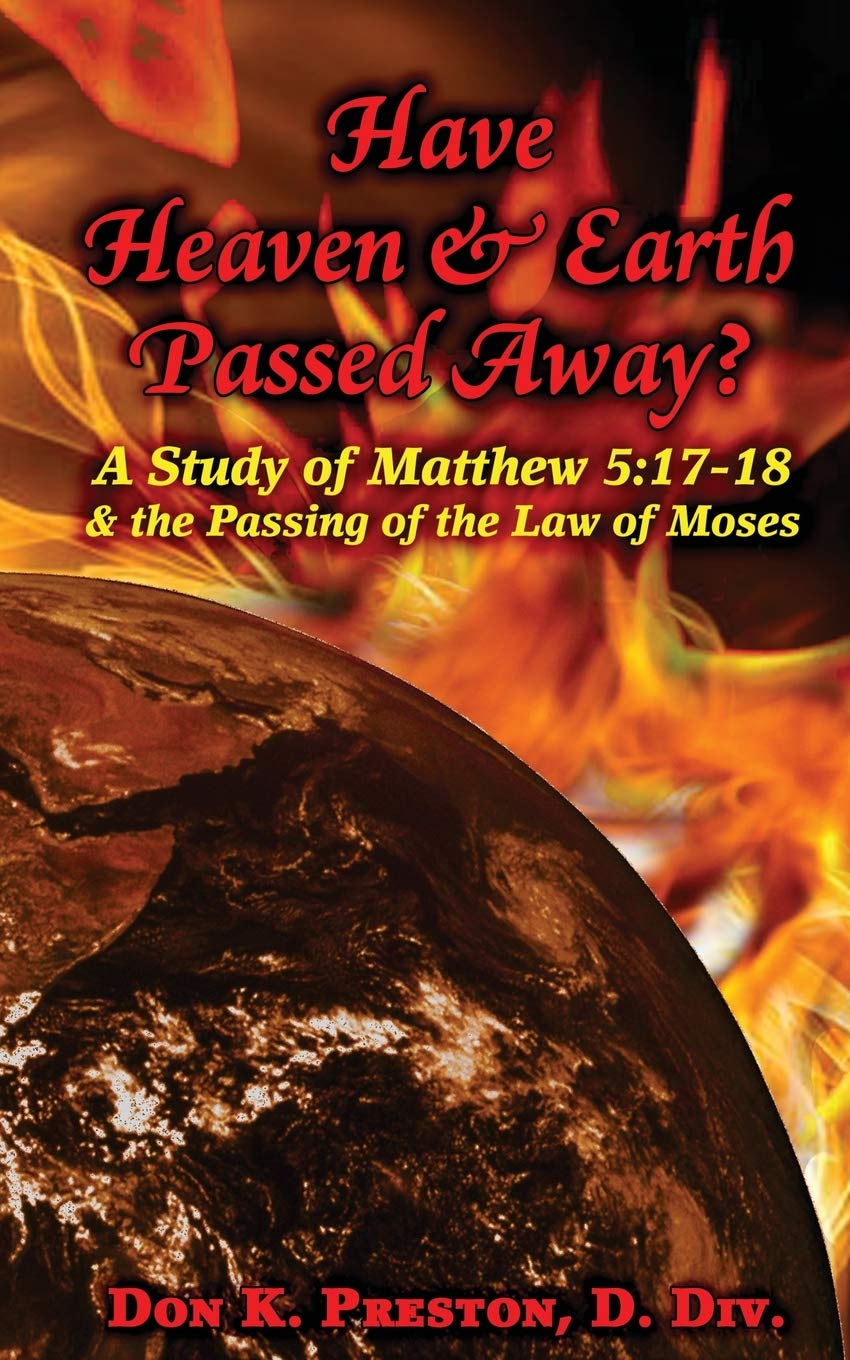
When did - or will - the Law of Moses pass away? Jesus said it would not pass until 'heaven and earth' passed, and yet almost everyone says the Law passed at the cross. Did literal heaven and earth pass at the cross? Clearly not - this book gives the answer to that problem.
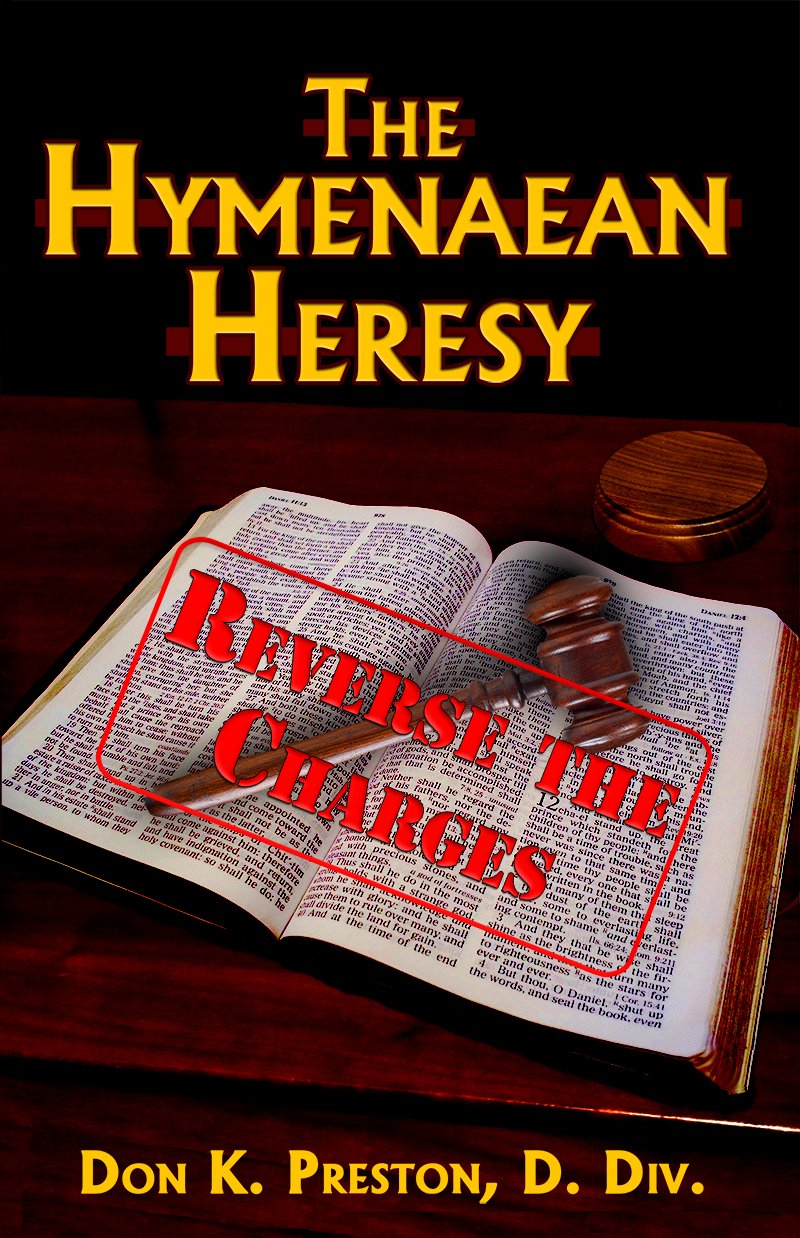
Are those who espouse the full preterist view of eschatology guilty of the 'Hymenaean Heresy,' as critics of Covenant Eschatology charge? Don K. Preston demonstrates the accusation is completely misplaced and reveals an unfortunate lack of proper exegesis and hermeneutic on the part of all futurists.
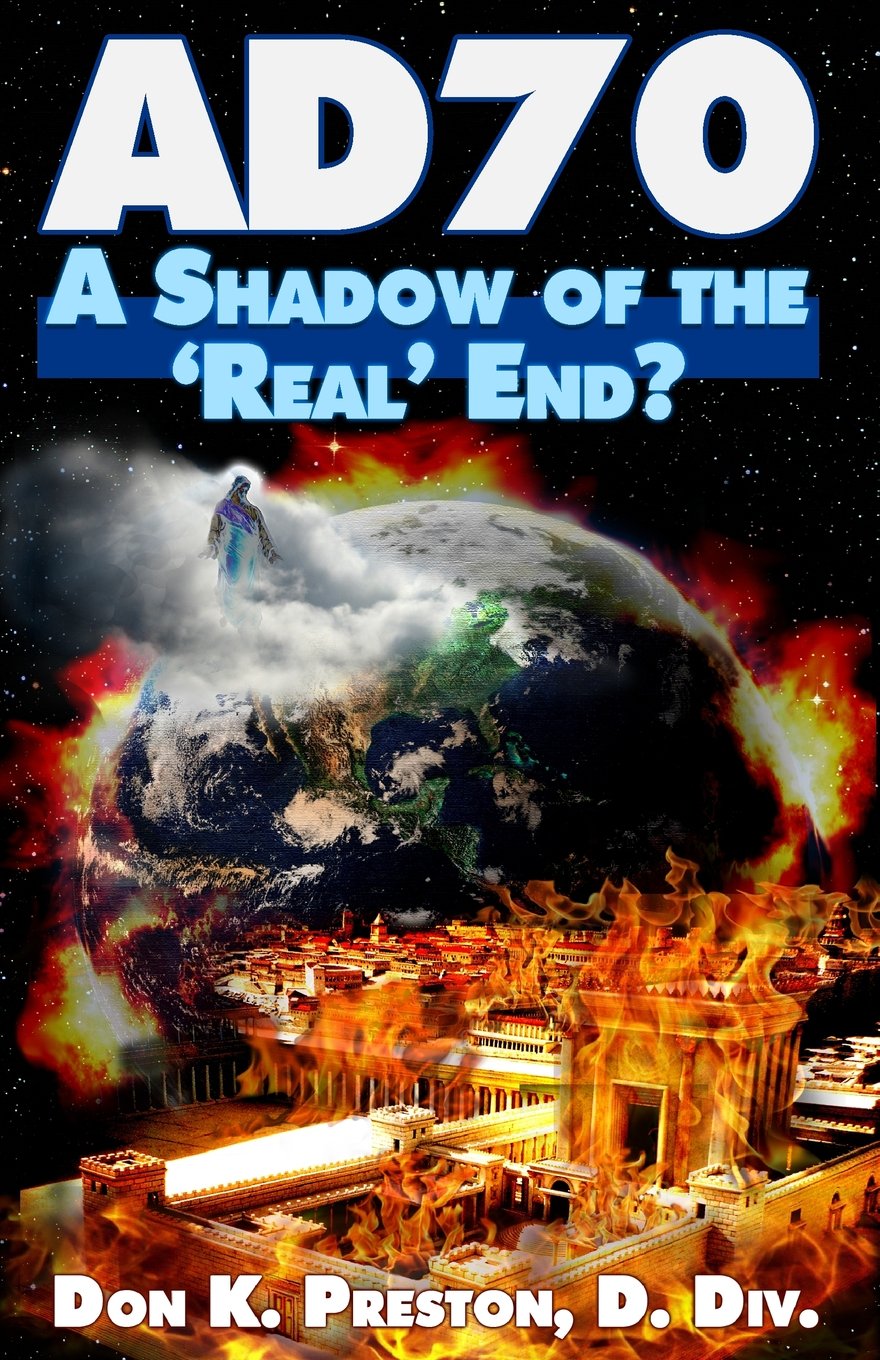
Amillennialists and Postmillennialists admit AD 70 was an 'end of the age' judgment coming of Christ, but claim it was simply a foreshadowing of the real end of human history. Don K. Preston thoroughly examines and refutes this idea, showing with careful exegesis that AD 70 was not a foreshadowing of the real end, but was, in fact, the final end of the age.
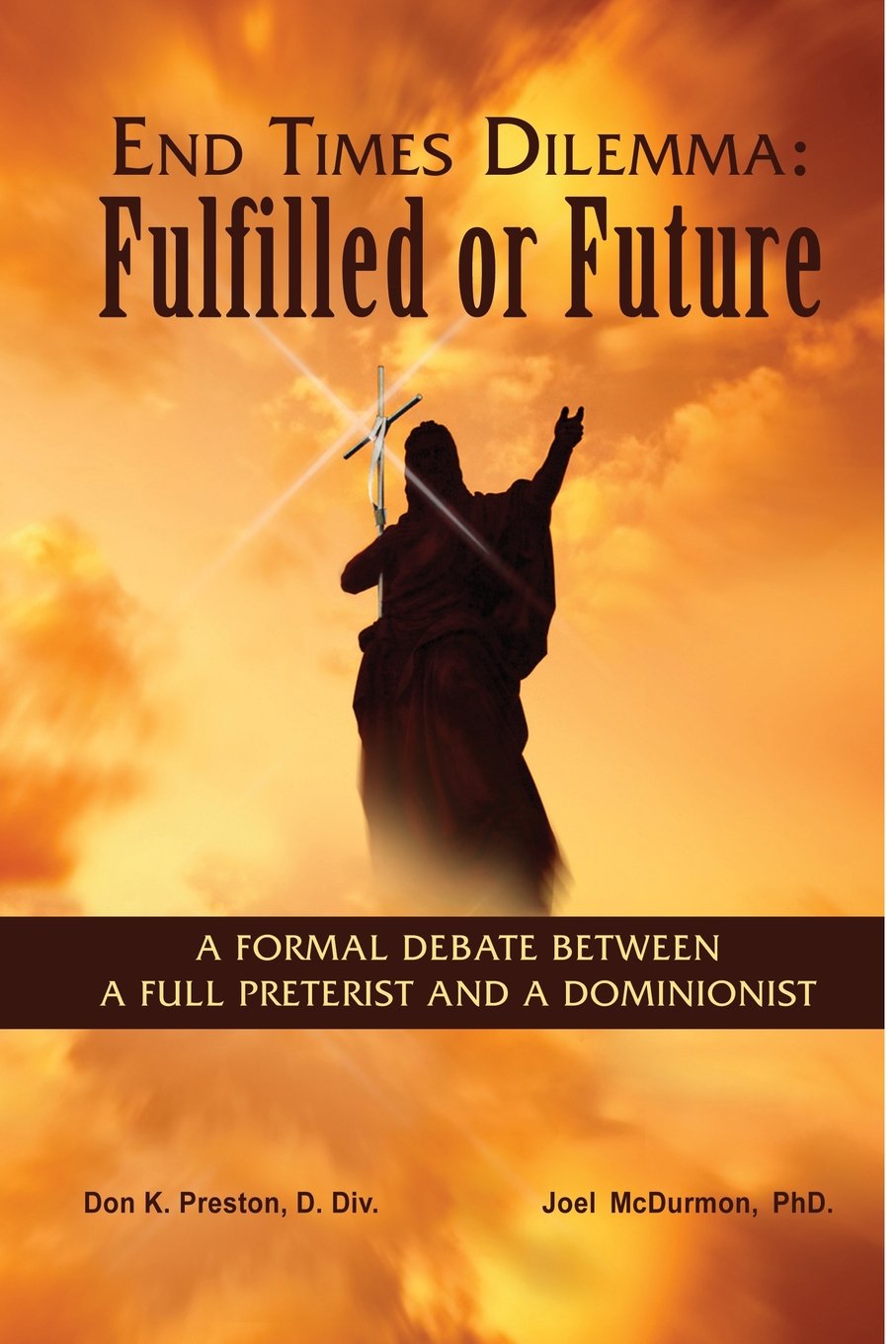
Will the current age come to a cataclysmic end one day, or has the end of the age already occurred? A historical debate between Dominionist (Postmillennialist) Joel McDurmon of American Vision and full preterist Don K. Preston, president of Preterist Research Institute, held in July 2012 in Ardmore, Oklahoma.
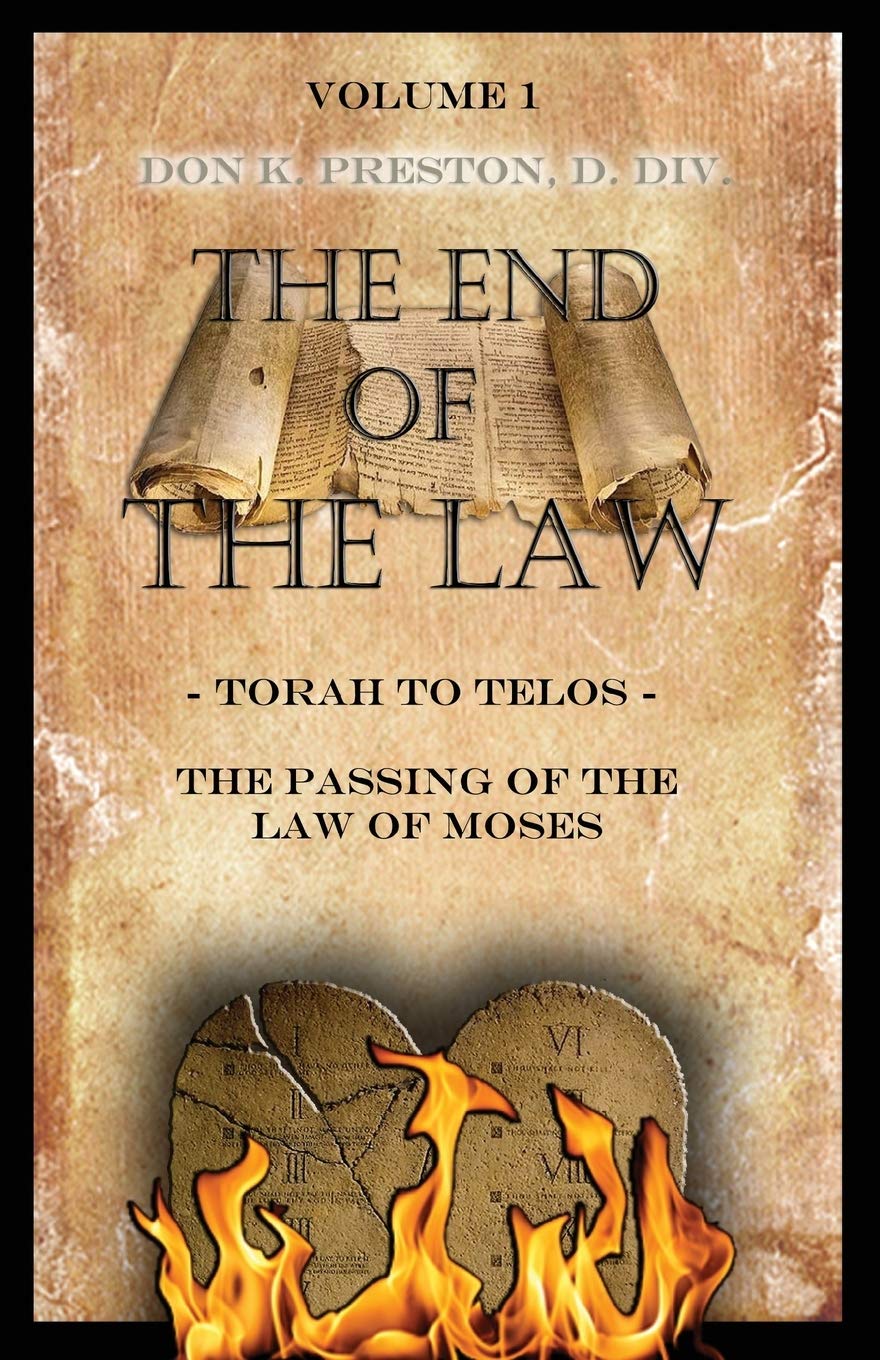
Few Bible students seem aware of the absolute necessity for the total fulfillment of the Law of Moses before it could pass. Jesus said that until every jot and tittle of Torah was fully accomplished, not one iota of the Law would pass - and the Law foretold the second coming of Christ and the resurrection. Don K. Preston examines Matthew 5:17-18 in the first of a planned multi-volume series on the passing of the Law of Moses.
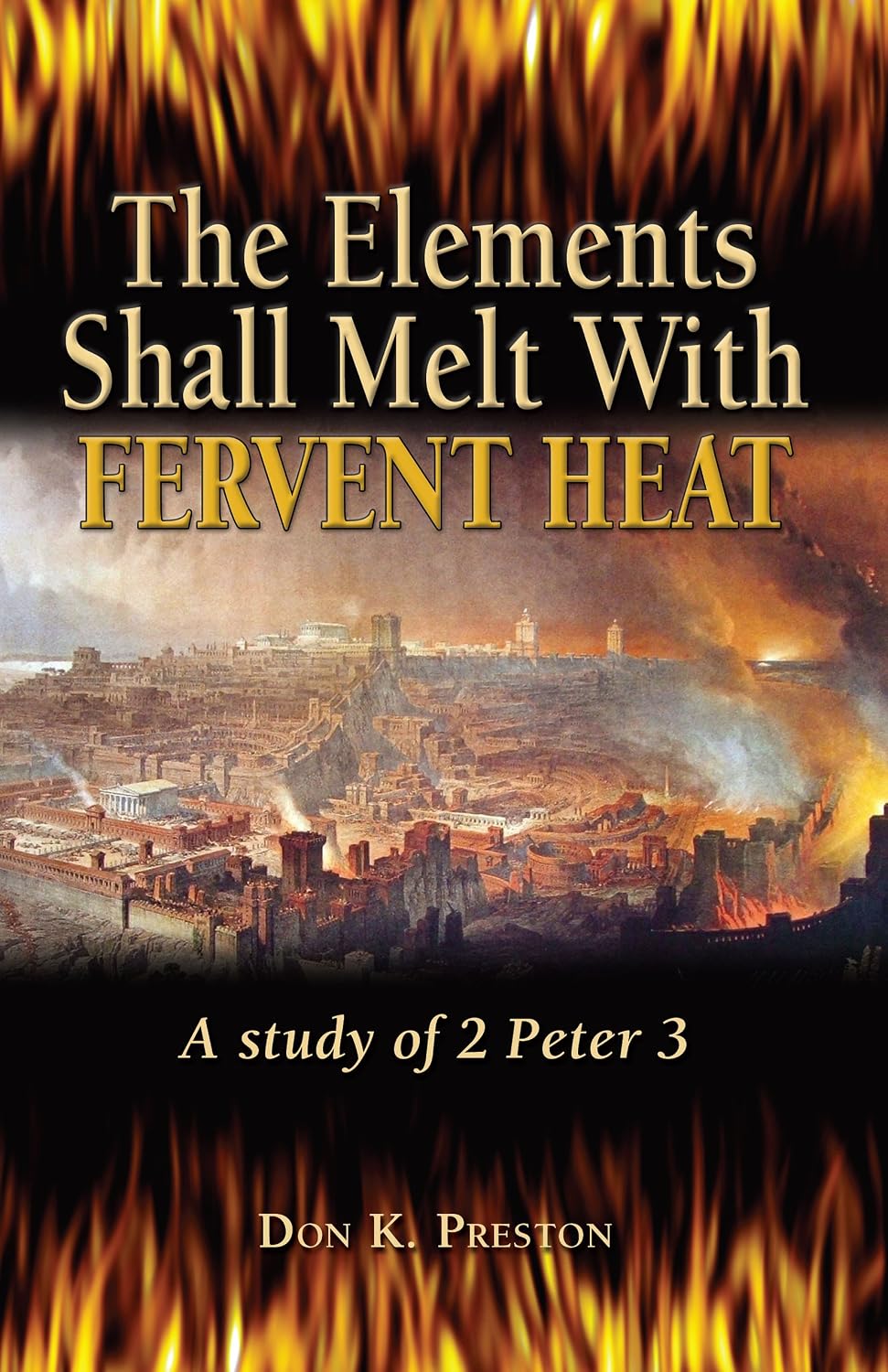
Does 2 Peter 3 predict a yet-future fiery destruction of the physical cosmos, as most Christians believe? Don K. Preston sets forth stunning documentation that Peter did not have the end of time in mind, but instead used typical Jewish prophetic imagery to describe the impending destruction of the 'heaven and earth' of Old Covenant Israel and her temple in AD 70. One of the most extensive commentaries available on 2 Peter 3.
A formal public debate between prominent Reformed postmillennialist James Jordan and Don K. Preston, president of Preterist Research Institute. Much of this debate focused on the time frame and timing of the end of the millennium.
Jesus said his coming in judgment would be 'in the glory of the Father' (Matthew 16:27-28) - but the Father had never come bodily, visibly, literally, always manifesting His sovereignty by using one nation to destroy another. Don K. Preston argues that for Jesus to say he was coming 'in the glory of the Father' was to say his coming in judgment was not, contrary to evangelical Christianity, going to be a literal, bodily coming.
A unique examination of the book of Revelation focusing on its major themes. Don K. Preston interacts with the world's best scholarship in demonstrating that Revelation was written prior to the AD 70 fall of Jerusalem and foretold that age-changing event. This is the third reprint and revision of this popular book.
We Shall Meet Him In The Air: The Wedding of the King of Kings
2010 · 462 pages
An in-depth analysis of 1 Thessalonians 4:13-18, the first and only full preterist exegesis of this text. This book interacts with the world's best scholarship - including N. T. Wright, Scot McKnight, France, Nanos, and Pitre - to establish first-century fulfillment, demonstrating the fallacy of Left Behind theology.
A positive exegesis of Daniel 9:24-27 demonstrating that Daniel's prophecy extends no further than the fall of Jerusalem in AD 70, and that Daniel 9 predicted the last-days resurrection. This book also interacts with modern scholarship and the critics of the true (full) preterist view, answering charges of heterodoxy with solid, logical refutation.
Jesus said the Gospel would be preached to all the world and then the end of the age would come, setting the timeframe within his generation. So why do modern theologians insist the Great Commission remains unfulfilled? Don K. Preston examines the Great Commission and its relationship to 'the time of the end' in AD 70, exploring the apostolic end-time harvest of Jews and Gentiles.
matches 'Then Comes the End' on the old site's 16-book list